


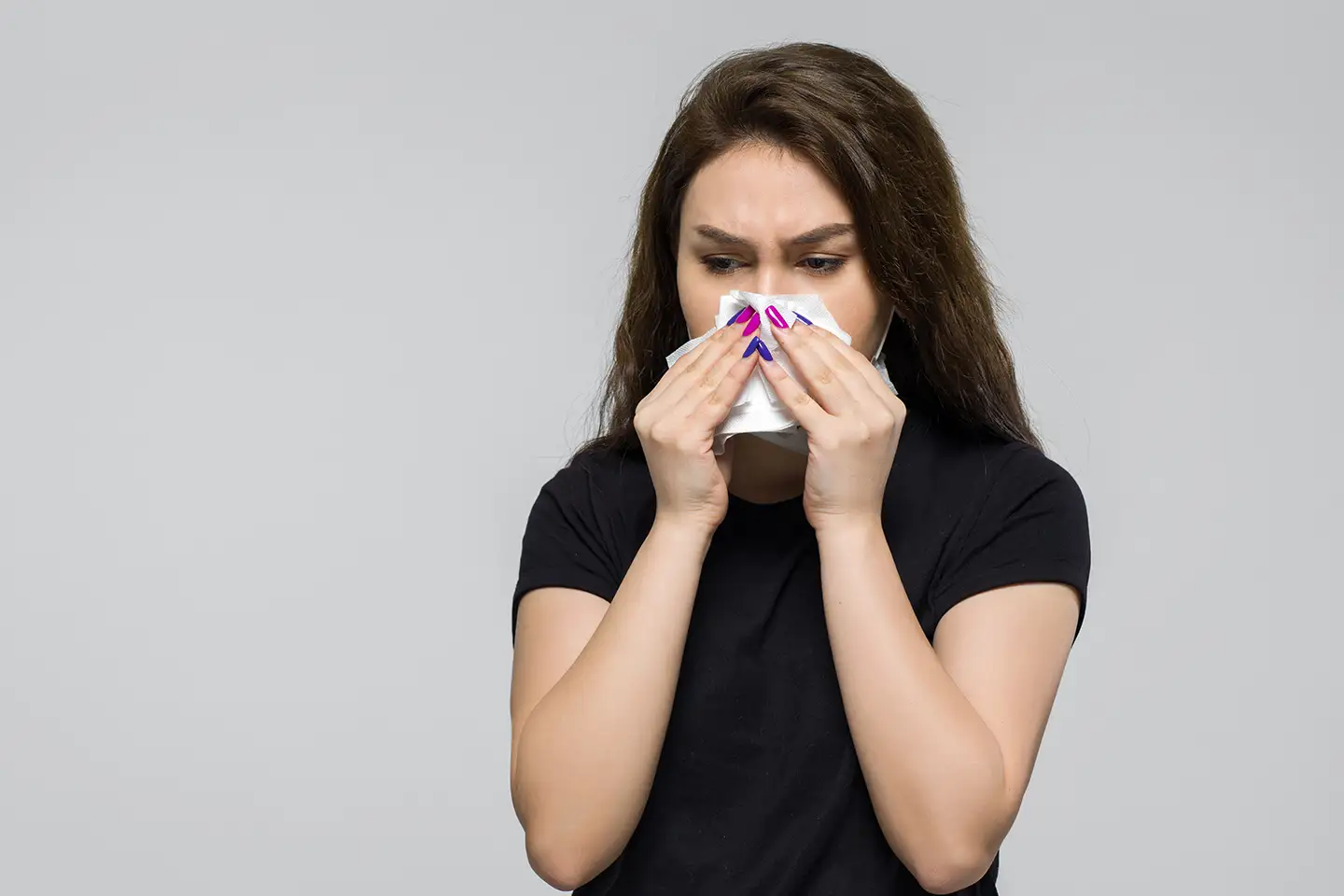
Living in a tropical, bustling city like Singapore has its perks, like great food and sunny weekends. However, our warm weather and close-knit living spaces also mean we are a bit of a hotspot for bugs and viruses. Whether it is the seasonal flu going around the office, a spike in dengue cases in your neighbourhood, or the kids bringing home a bug from school, falling sick is never fun.
If you are currently feeling a bit "off," your first thought is likely: "What is the common treatment for infectious disease, and how soon can I get back to my routine?" At Care Connect Clinic, we believe in a practical approach that focuses on managing your symptoms and supporting your body’s natural recovery.
Knowing What You Are Fighting
Before we talk about medicine, it is helpful to know what is actually making you feel unwell. Not all infections are treated the same way.
Viral Infections
These are the most common visitors to our clinic. Think of the common cold, influenza, or even dengue. Viruses are tricky because they do not react to antibiotics. Treatment is usually about keeping you comfortable while your immune system fights the bug.
Bacterial Infections
These happen when harmful bacteria enter the body, causing things like strep throat or urinary tract infections (UTIs). Unlike viruses, these can often be managed with a specific course of antibiotics prescribed by your doctor.
Fungal and Parasitic Issues
In our humid climate, fungal infections like athlete’s foot are quite common. Parasitic infections are less frequent but can happen, especially if you have been travelling around the region recently.
How We Treat Common Illnesses in Singapore
When you visit a local GP, the plan is usually tailored to your specific symptoms. Here is how we typically handle things.
Managing Your Symptoms
For many viral infections, the goal is to make the recovery process as smooth as possible.
- Fever and Pain Relief: Standard medications like paracetamol are great for bringing down a high temperature and soothing body aches.
- Stay Hydrated: This is huge, especially for dengue or stomach flu. Drinking plenty of water or isotonic drinks helps replace lost fluids.
- Proper Rest: Never underestimate a good nap. Rest allows your body to focus all its energy on getting better.
Using Antibiotics Correctly
If your doctor confirms a bacterial infection, they may give you antibiotics. The most important rule? Finish the whole course. Even if you feel 100% better after two days, skipping the rest can lead to the bacteria coming back stronger.
Specific Help for Local Ailments
Singapore has a few "usual suspects" that we keep a close eye on.
- Dengue Fever: Since there is no specific medicine to "kill" dengue, we focus on supportive care. This means monitoring your blood counts and keeping you very well hydrated.
- Hand, Foot, and Mouth Disease (HFMD): Very common among children. We focus on cooling the fever and soothing painful mouth ulcers so the little ones can still eat and drink.
- Coughs and Colds: With so much air conditioning and public transport use, respiratory bugs spread fast. We provide relief for runny noses and sore throats to help you get through your day. You can find more about our primary care services at Care Connect Clinic.
Prevention Is Better Than Cure
While we are happy to help you get well, we would much rather you stay healthy! Keeping up with vaccinations, like your annual flu jab, is one of the best ways to protect yourself and your family. Check out our vaccination services to see how you can stay protected.
When Is It Time to See a GP?
Most minor bugs clear up with some TLC at home. However, you should definitely pop into the clinic if you notice:
- A high fever that stays high despite medication.
- You are struggling to breathe or have chest pain.
- You feel very dehydrated or dizzy.
- An unusual rash that looks like tiny bruises.
At Care Connect Clinic, we are here to take the guesswork out of your recovery and get you back on your feet.
Frequently Asked Questions (FAQs)
Q: Why can’t I just take antibiotics for a bad cold?
A: Most colds are viral. Antibiotics only kill bacteria, so taking them for a cold won't help you recover faster and can sometimes cause side effects like an upset stomach.
Q: Is dengue dangerous?
A: Most people recover well from dengue with rest and fluids. However, it needs to be monitored by a doctor to ensure your blood platelet levels stay in a safe range.
Q: How can I stop spreading my cold to my family?
A: Regular hand washing and wearing a mask at home are very effective. Also, try not to share towels or utensils until you are feeling better.
Conclusion
Getting sick is a part of life, but it doesn't have to be a long ordeal. Whether it is a simple sniffle or something more persistent, understanding how treatments work helps you take charge of your health. The most important thing is to listen to your body and give it the time it needs to heal.
If you are feeling unwell or just want a professional opinion, do not feel like you have to just "tahan" through the discomfort. Our team at Care Connect Clinic is here to provide the care and advice you need.
Feeling a bit under the weather? Stop by Care Connect Clinic today for a chat and a personalised recovery plan.
Contact Details
Here’s how you can connect with our staff for appointments or queries.


Mon, Tue, Thu: 8:00 am–2:00 pm, 3:00 pm–8:00 pm
Wed, Fri, Sat: 8:00 am–2:00 pm, 3:00 pm–6:00 pm
Sunday: Closed




© 2026 Care Connect Clinic | All Rights Reserved | Privacy Policy | Digital Marketing by Remedo