
Diabetic Diet: What to Eat & What to Avoid
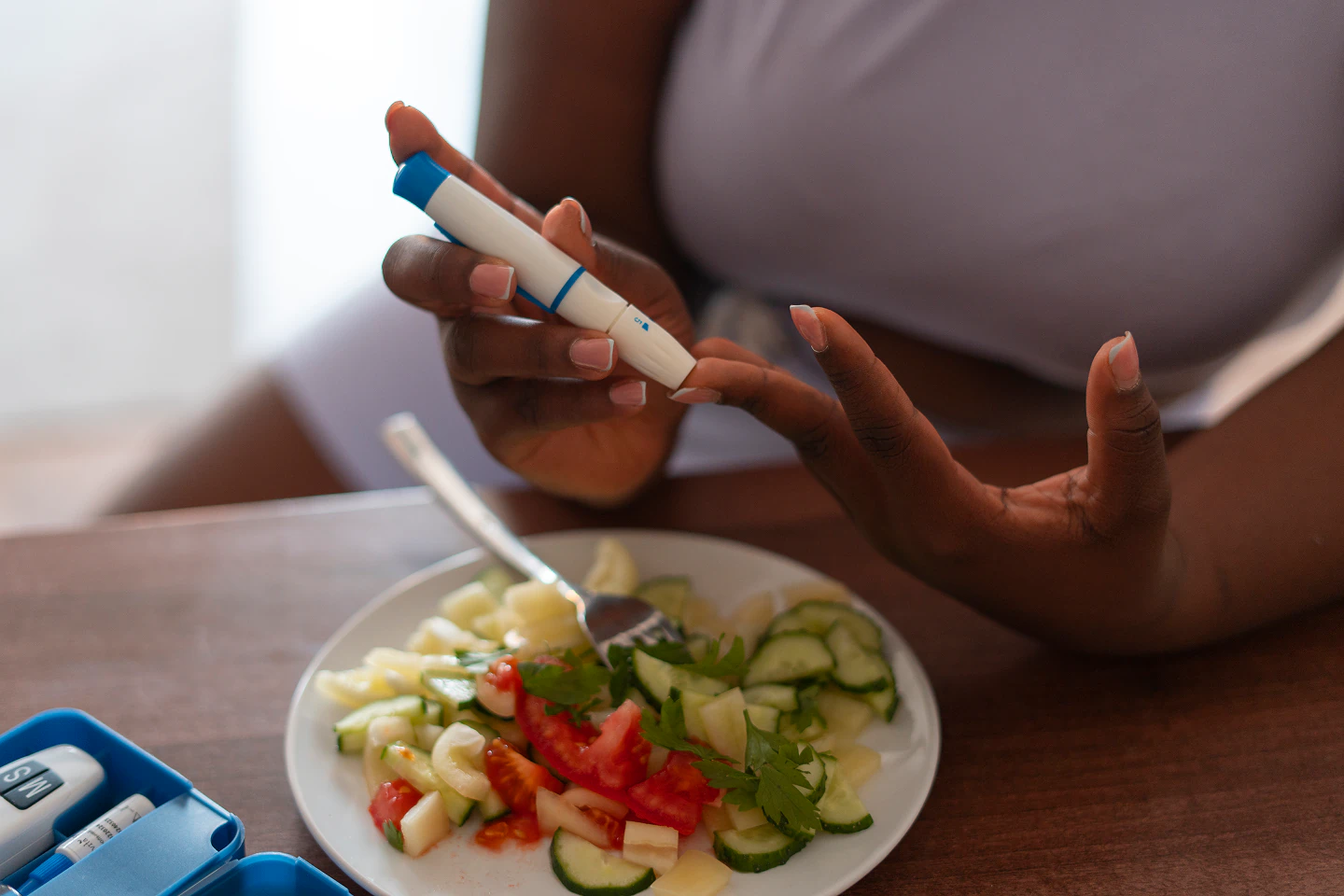
Do you still enjoy your favourite foods if you have diabetes? What should you avoid eating in order to maintain your blood sugar level? To what extent does your diet actually impact your condition? These are queries we commonly receive here at Care Connect Clinic, and they reflect the everyday concerns of people living with diabetes. We believe that understanding what ends up on your plate is one of the most powerful tools for managing diabetes effectively. Whether you’re newly diagnosed or supporting a loved one, knowing what to eat and what to avoid can make a meaningful difference.
Why Diet Matters in Diabetes Management
Managing diabetes is not just about medication or insulin. Daily food choices play a critical role in keeping blood glucose levels stable, reducing the risk of long-term complications, and improving overall well-being. With diabetes rates rising, especially in urban environments like Singapore, being informed about dietary choices has never been more important. Increased diabetes awareness empowers individuals to make healthier decisions every day.
Foods That Support Blood Sugar Control
Choosing the right foods helps maintain steady energy levels, prevent sudden glucose spikes, and support long-term diabetes management.
- High-fiber carbohydrates: Oats, whole grain bread, brown rice, and quinoa help slow digestion and reduce sharp rises in blood sugar.
- Lean protein: Fish, chicken breast, tofu, and eggs support muscle health and promote satiety without raising blood sugar.
- Non-starchy vegetables: Broccoli, bok choy, leafy greens, and cucumber are low in calories and carbohydrates while rich in nutrients.
- Healthy fats: Avocado, olive oil, nuts, and seeds improve heart health and slow carbohydrate absorption.
- Low-GI fruits: Berries, apples, and oranges can be included in moderation as part of a balanced diet.
These foods release energy slowly, support cardiovascular health, and help maintain glucose levels within a healthy range.
What to Avoid or Limit
Raising diabetes awareness also means understanding which foods can cause blood sugar spikes or worsen insulin resistance.
- Sugary drinks: Soft drinks, sweetened teas, and fruit juices rapidly increase blood sugar.
- Refined grains: White rice, white bread, and pastries digest quickly and raise glucose levels.
- Highly processed foods: Fast food, instant noodles, and packaged snacks often contain hidden sugars and unhealthy fats.
- High-fat meats: Bacon, sausages, and fried foods increase cardiovascular risk.
- Desserts: Cakes, ice cream, and sweets are high in added sugars and should be limited.
Common Foods in Singapore to Be Cautious About
Managing diabetes in Singapore presents unique challenges due to local food culture.
- Gravy-heavy dishes such as curry rice
- Sweet sauces including oyster sauce, ketchup, and chilli sauce
- Condensed milk added to coffee or tea
- Deep-fried snacks commonly consumed between meals
Reading food labels and making mindful choices when dining out can significantly improve blood sugar control.
Importance of Portion Control and Meal Timing
Even healthy foods can raise blood sugar if consumed in large quantities. Portion control and meal timing are essential components of diabetes management.
- Eat meals at consistent times each day
- Avoid skipping meals, which may cause hypoglycaemia
- Use the plate method: half vegetables, one-quarter lean protein, one-quarter whole grains
- Choose smart snacks such as unsweetened yoghurt, nuts, or boiled eggs
Balanced meal spacing helps prevent extreme fluctuations in blood glucose levels.
Smarter Drink Choices
Beverages are often overlooked but can significantly impact blood sugar.
- Plain water
- Sparkling water with lemon or cucumber
- Unsweetened tea
- Black coffee without sugar or milk
Avoiding sweetened drinks is one of the simplest and most effective ways to improve glucose control.
How to Build a Sustainable Diabetic Diet
Sustainable diabetes management is about long-term habits rather than short-term restrictions.
- Prepare meals at home more frequently
- Create shopping lists aligned with health goals
- Use herbs and spices instead of sugary sauces
- Practice mindful eating
- Track food intake and blood glucose responses when needed
Consistency, not perfection, leads to successful long-term diabetes control.
How Care Connect Supports Your Journey
At Care Connect Clinic, diabetes awareness goes beyond information. We provide personalised nutritional counselling, glucose monitoring support, regular health screenings, and compassionate clinical care to support diabetes management in Singapore.
Conclusion
Understanding what to eat and what to avoid is essential for managing diabetes. A balanced diet focused on whole grains, lean proteins, vegetables, and healthy fats, while limiting sugary drinks, refined carbohydrates, and processed foods helps maintain stable blood sugar and reduce complications. Small, consistent dietary changes can have a powerful impact on overall health.
At Care Connect Clinic, we are committed to raising diabetes awareness in Singapore and supporting patients through education, screenings, and personalised care. Contact us today to take the next step toward better diabetes control.
Frequently Asked Questions (FAQs)
Can diabetics eat rice every day?
Diabetics can eat rice, but not in large portions or every day, especially white rice. Whole grains like brown rice or quinoa are healthier alternatives because they digest more slowly and help maintain steadier blood sugar levels. Diabetes awareness in Singapore increasingly focuses on making smarter carbohydrate choices.
What should diabetic people avoid eating?
People with diabetes should avoid sugary drinks, refined carbohydrates, processed snacks, and fried foods. These items cause rapid blood sugar spikes and make diabetes management more difficult. Understanding how these foods affect the body is a key part of diabetes awareness.
What food is the main enemy of diabetes?
Sugary beverages and refined carbohydrates are often considered the biggest enemies of diabetes because they raise blood glucose levels quickly and interfere with effective diabetes management.
Are bananas good for diabetes?
Bananas can be eaten in moderation as part of a diabetic diet. Because they contain natural sugars, portion control is essential, and pairing them with protein or healthy fats can help reduce blood sugar spikes.
Are eggs good for diabetes?
Eggs are an excellent source of protein and healthy fats and do not significantly raise blood sugar levels. They are commonly included in diabetes management plans.
Can a diabetic patient drink milk?
Yes, diabetics can drink milk, but low-fat or unsweetened options are preferred. Milk contains natural sugars, so portion size matters. Awareness of hidden sugars in beverages supports better diabetes control.
Which fruit is best for diabetes?
Low-glycaemic fruits such as berries, apples, and pears are better choices for people with diabetes, as they help prevent sudden blood sugar spikes.
Is oatmeal good for diabetics?
Plain oatmeal is high in fibre and slows the absorption of sugar into the bloodstream, making it a good option for diabetes management. Flavoured or instant varieties with added sugar should be avoided.
What is the one food that lowers blood sugar?
High-fibre foods such as leafy greens, legumes, and vegetables help lower blood sugar by slowing digestion and improving insulin sensitivity.
What biscuits can diabetics eat?
Wholegrain, high-fibre, or sugar-free biscuits can be eaten in moderation. Reading labels and choosing low-GI options is important for effective diabetes management.
Is chocolate good for diabetics?
Dark chocolate with high cocoa content may be consumed in small quantities, but portion control is essential due to its calorie and fat content.
What snacks are sugar free?
Snacks such as unsweetened yoghurt, raw nuts, boiled eggs, and sliced vegetables are naturally sugar-free and suitable for people with diabetes, supporting steady energy and better glucose control.


Contact Details
Here’s how you can connect with our staff for appointments or queries.


Mon, Tue, Thu: 8:00 am–2:00 pm, 3:00 pm–8:00 pm
Wed, Fri, Sat: 8:00 am–2:00 pm, 3:00 pm–6:00 pm
Sunday: Closed




© 2026 Care Connect Clinic | All Rights Reserved | Privacy Policy | Digital Marketing by Remedo