
Common Myths about Hypertension – Busted!
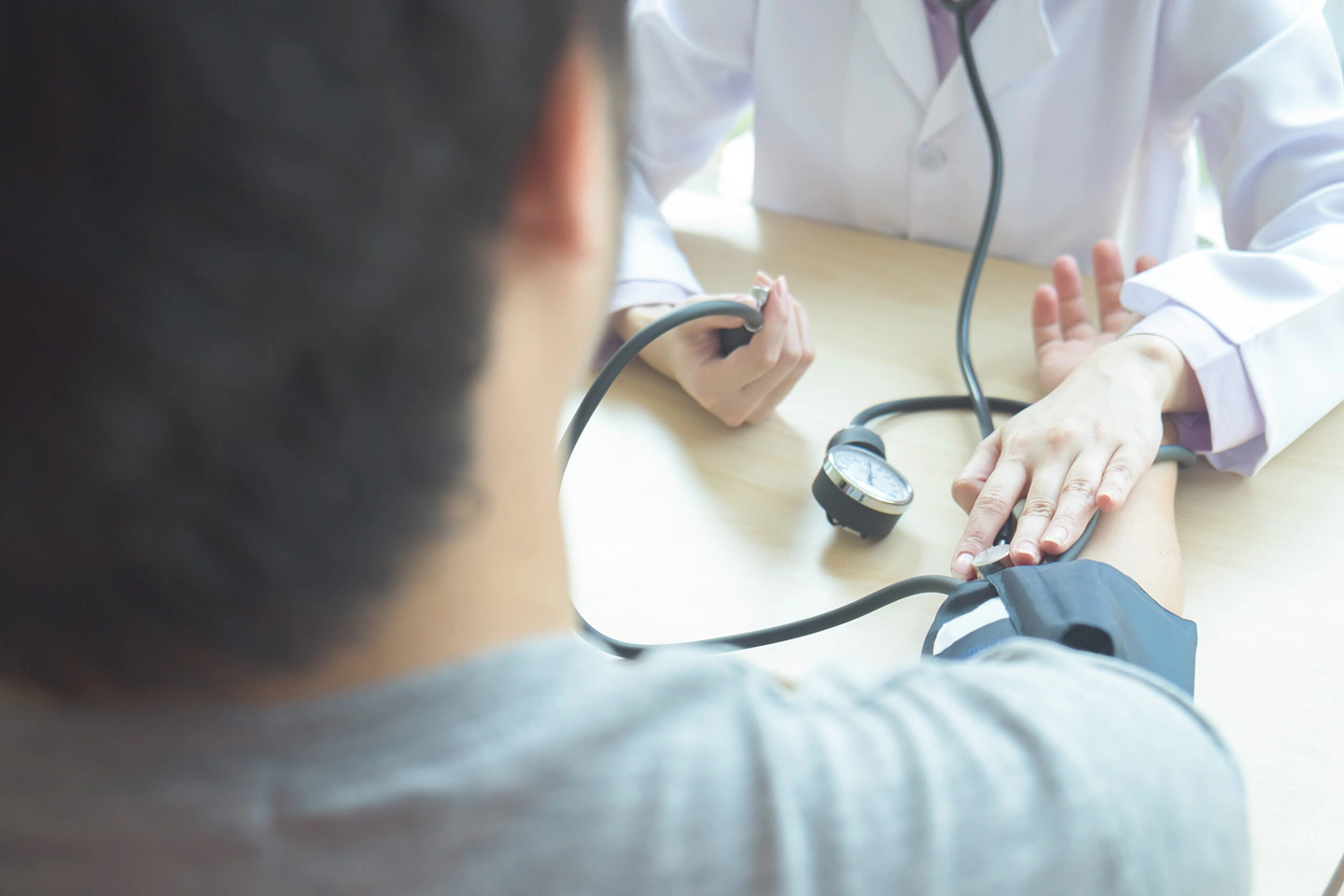
Hypertension, or high blood pressure, affects millions worldwide but despite its prevalence, there are still plenty of misconceptions surrounding this silent condition. At Care Connect Clinic, we regularly encounter patients who are unaware of the risks or misunderstand what hypertension truly means.
Let’s set the record straight. Here are some of the most common myths about hypertension and the facts that bust them.
Myth #1: “I feel fine, so my blood pressure must be normal.”
Fact: Hypertension is often called a “silent killer” because it typically has no symptoms. Many people feel completely healthy even when their blood pressure is dangerously high. You might not experience headaches, dizziness, or fatigue until serious damage has already been done.
That’s why regular screenings even when you feel well are essential to catch hypertension early and protect your long-term health.
Myth #2: “High blood pressure only affects older people.”
Fact: While your risk of hypertension does increase with age, more young adults are being diagnosed with high blood pressure often due to poor diet, stress, lack of physical activity, or family history. Lifestyle-related hypertension is becoming more common in people in their 30s and even 20s.
No matter your age, it’s never too early to start monitoring your blood pressure and making heart-healthy choices.
Myth #3: “If I had high blood pressure, I’d know.”
Fact: Many people assume they would feel high blood pressure, but that’s not true. High BP usually causes no noticeable symptoms until it has damaged the heart, kidneys, brain, or eyes. That’s why it’s called a “silent” condition, it quietly harms your body over time.
Routine check-ups are the only reliable way to know your numbers.
Myth #4: “I only need to take medication until my BP returns to normal.”
Fact: Blood pressure medications help control BP, but stopping them without guidance can cause levels to spike again. Hypertension is often a chronic condition requiring long-term management through medication, lifestyle changes, or both.
Always follow your doctor’s advice before making changes to your treatment plan.
Myth #5: “Salt is the only food that affects blood pressure.”
Fact: While sodium is a major contributor, diets high in processed foods, saturated fats, and sugar can also raise blood pressure. Eating potassium-rich foods like bananas, spinach, and sweet potatoes can help regulate BP.
Reducing salt is important, but overall dietary balance matters just as much.
Myth #6: “I don’t need to worry, hypertension runs in my family.”
Fact: A family history increases risk, but hypertension is not inevitable. Staying active, eating well, avoiding smoking, and managing stress can significantly reduce your risk.
At Care Connect Clinic, we believe in empowerment through prevention.
The Bottom Line
Hypertension is serious, but with the right knowledge and proactive care, it’s manageable. Don’t let myths and misinformation stand in the way of your health.
Book your blood pressure check with Dr. Sanjay Doshi at Care Connect Clinic and get personalized advice that puts your well-being first.
Your health is in your hands and we’re here to help you take charge of it.
Frequently Asked Questions (FAQs)
What blood pressure level is too high?
A reading of 140/90 mmHg or higher is considered too high and may indicate hypertension. Persistent high readings increase the risk of heart disease and stroke.
Is 140/70 a good blood pressure?
No. While the diastolic number is normal, a systolic reading of 140 is high and still indicates hypertension.
What should I do if my BP is 140/90?
This reading suggests stage 1 hypertension. Regular monitoring and consultation with a healthcare provider are recommended.
How can I bring my BP down quickly?
Deep breathing, rest, and hydration may help temporarily, but long-term control requires lifestyle changes and medical guidance.
How do you feel when BP is high?
Most people feel no symptoms. Some may experience headaches or dizziness when BP is dangerously high.
What is the right blood pressure by age?
Normal BP is generally around 120/80 mmHg. Consistent readings above 140/90 indicate hypertension regardless of age.
What is the main cause of high blood pressure?
Common causes include genetics, obesity, high salt intake, stress, and lack of physical activity.
Can coffee raise blood pressure?
Yes, caffeine can temporarily raise BP in some individuals. Moderation is advised.
Does drinking water lower blood pressure?
Staying hydrated supports circulation and heart health, helping maintain healthy BP levels.
Do bananas lower blood pressure?
Yes, bananas are rich in potassium, which helps counteract sodium and lower BP.
What is the first aid for high blood pressure?
For mild spikes, sit calmly and breathe deeply. For severe symptoms, seek emergency care immediately.
Is it okay to sleep with high blood pressure?
Uncontrolled BP increases cardiovascular risk during sleep. Proper hypertension management is essential.
What is the number one fruit to lower blood pressure?
Berries, especially blueberries, support heart health and may help lower BP.
Is egg good for high blood pressure?
Eggs can be included in moderation as part of a balanced, heart-healthy diet.


Contact Details
Here’s how you can connect with our staff for appointments or queries.


Mon, Tue, Thu: 8:00 am–2:00 pm, 3:00 pm–8:00 pm
Wed, Fri, Sat: 8:00 am–2:00 pm, 3:00 pm–6:00 pm
Sunday: Closed



© 2026 Care Connect Clinic | All Rights Reserved | Privacy Policy | Digital Marketing by Remedo