
Annual Health Screenings Every Woman Needs
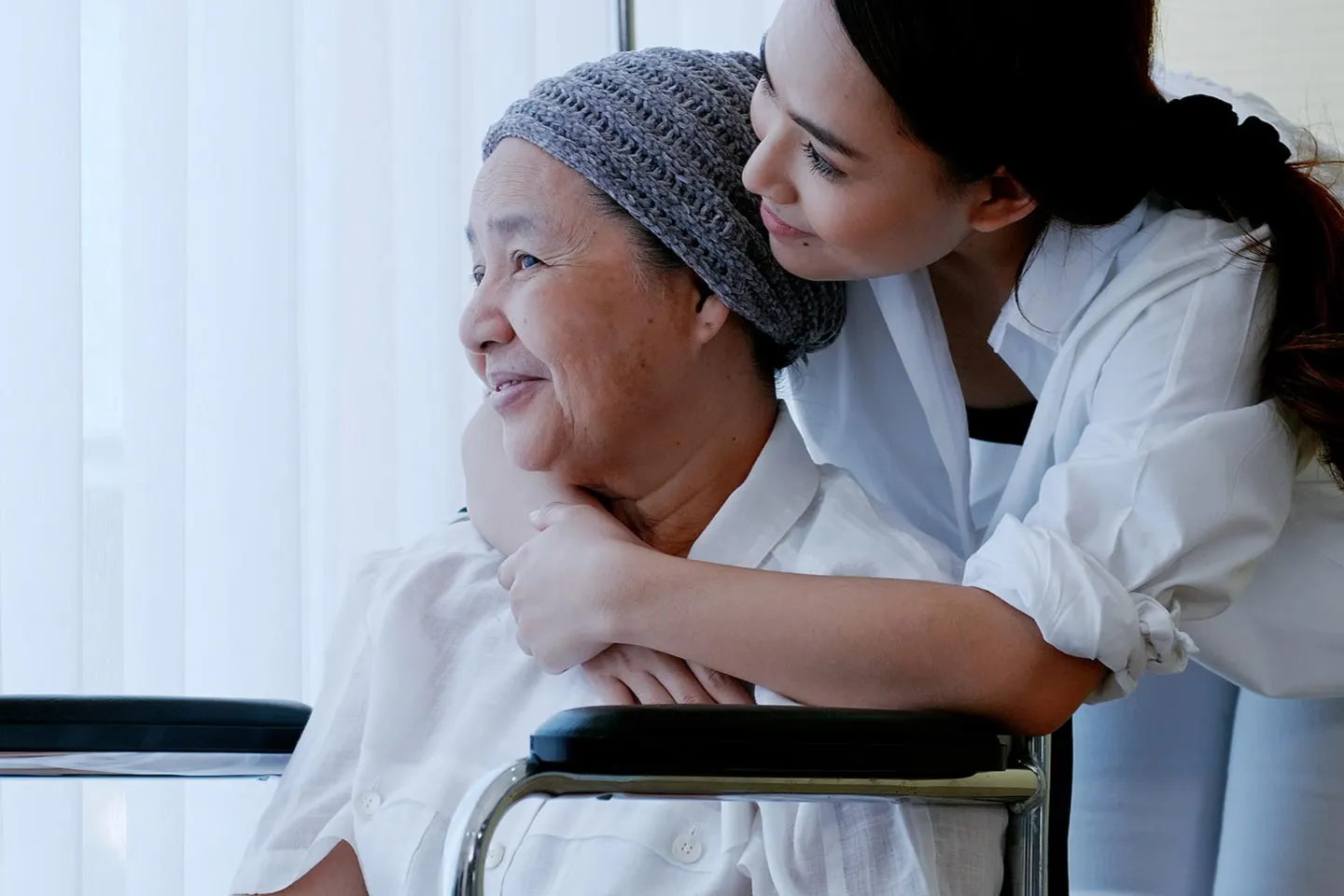
Do you ever find yourself wondering whether you’re doing enough to remain healthy? Are you skipping your annual check-ups because you feel great? At Care Connect Clinic, we believe women’s health is about looking ahead, not simply reacting later. Yearly health checks are more than routine tests, they can truly save lives and set you on the right path for a healthier future. We’re here to help you stay connected to your health by understanding the critical screenings every woman should have each year.
Why Annual Health Screenings Are Important
Annual check-ups are powerful preventive tools that help detect early signs of illness before symptoms appear. For women, these screenings are especially important due to hormonal changes, reproductive health needs, and age-related risks.
Regular health screenings help:
- Identify health risks early
- Monitor existing conditions
- Track changes in the body over time
- Support long-term health awareness
General Health Check-Ups
Every woman should begin with a general check-up that includes a physical examination and basic investigations to assess overall health.
Essential components include:
- Blood pressure measurement
- Body mass index (BMI) calculation
- Cholesterol and blood sugar tests
- Kidney and liver function tests
These screenings provide a clear snapshot of current health and help identify areas that may require further attention.
Reproductive Health Screenings
Reproductive health screenings are vital during a woman’s childbearing years and beyond. These check ups focus on fertility, menstrual health, and early detection of serious conditions.
Recommended annual reproductive screenings include:
- Pap smear (starting at age 21, every 3 years or as advised)
- HPV testing (often combined with Pap smear)
- Pelvic examination
- Breast examination during physical check-up
These tests help detect early signs of cervical cancer, infections, and hormonal imbalances.
Breast Health Monitoring
Breast cancer is one of the most common cancers affecting women. Early detection significantly improves treatment outcomes.
Breast health screenings include:
- Annual clinical breast examination
- Mammogram starting at age 40, or earlier if high risk
Being aware of breast changes between screenings is also an important part of health awareness.
Bone Density Screening
Bone health becomes increasingly important with age, particularly after menopause. A DEXA scan helps assess osteoporosis risk.
- Typically recommended at age 65
- May be advised earlier for women with risk factors such as early menopause or family history
Early screening allows timely intervention through diet, lifestyle changes, or medication.
Hormonal and Thyroid Function Tests
Hormonal balance influences mood, metabolism, fertility, and energy levels. Thyroid disorders are more common in women and may go undiagnosed without screening.
Depending on age and symptoms, tests may include:
- Thyroid stimulating hormone (TSH)
- Estrogen, progesterone, or testosterone
- FSH and LH for reproductive or menopausal assessment
Heart Health Screenings
Heart disease is a leading cause of death in women and often goes unnoticed. Annual screenings should include:
- Blood pressure checks
- Cholesterol profile
- Blood sugar testing
- ECG when recommended
Monitoring heart health is important even when symptoms are absent.
Mental Health and Emotional Wellbeing
Mental health is an essential part of overall wellbeing. Anxiety, depression, and sleep disorders often go unrecognised without assessment.
- Mental health questionnaires
- Stress and lifestyle evaluations
- Sleep assessments
Regular Screenings Make a Difference
Understanding your body and its needs is empowering. Routine check ups, consistent health screenings, and listening to your body can prevent complications and improve quality of life.
Women’s health is about prevention, awareness, and long-term care not just treating problems when they arise.
Why Choose Care Connect?
At Care Connect Clinic, we provide personalised, preventive care tailored to every stage of a woman’s life. Our comprehensive screenings and annual check-ups are designed to empower you with knowledge, confidence, and long-term health awareness.
Conclusion
Annual health screenings are essential for protecting women’s health. These routine check-ups help detect issues early and make health awareness a powerful form of self-care.
At Care Connect Clinic, we’re here to support your journey with reliable, personalised screenings. Contact us today and stay informed about what matters most - your health.
Frequently Asked Questions (FAQs)
What is a screening test for women?
A screening test for females is a preventive health screening used to detect potential health issues early. Common women’s health screenings include Pap smears, breast exams, and blood tests done during an annual check-up.
How often should we do health screening?
Most health screenings should be done annually, especially for women’s health. Regular yearly check ups help maintain strong health awareness and detect changes early.
What tests should I have as a woman?
Women should consider health screenings such as Pap smears, breast exams, cholesterol and sugar tests, and hormonal panels during their yearly check-up. These are key to managing women’s health and preventing long-term issues.
What health tests should be done regularly?
Essential regular health screenings include blood pressure checks, blood sugar testing, cholesterol levels, and reproductive health check-ups. Staying consistent with these screenings supports overall health awareness and early detection.
Which test is best for a full-body check-up?
A full-body check-up often includes a complete blood count, liver and kidney function tests, thyroid function tests, cholesterol profile, and blood sugar levels. These comprehensive health screenings provide a complete overview of your health awareness.
What is a routine blood test for a woman?
A routine blood test for women’s health typically includes thyroid function, blood sugar, cholesterol levels, iron studies, and complete blood count. These tests are commonly performed during annual health screenings and general check-ups.
What is a women's health panel?
A women’s health panel is a group of health screenings focused on hormonal balance, reproductive health, and general wellness. It may include thyroid tests, sex hormone levels, metabolic markers, and nutrient levels as part of a routine check-up.
What is a female hormonal profile test?
A female hormonal profile test measures hormone levels such as estrogen, progesterone, follicle-stimulating hormone (FSH), and luteinizing hormone (LH). This screening is important for assessing fertility, menstrual irregularities, menopause-related changes, and overall hormonal balance in women’s health.
What is a PCOS blood test?
A PCOS blood test is a specialised women’s health screening that evaluates hormone levels such as testosterone, LH, FSH, insulin, and sometimes thyroid hormones. It is often part of a broader reproductive health check up to diagnose and manage polycystic ovary syndrome.
What is a TSH blood test?
A TSH blood test is a thyroid-related health screening that checks how well the thyroid gland is functioning. It is commonly included in routine check ups because thyroid disorders are common in women and can affect energy, weight, and menstrual health.
When is the best time to test for hormone imbalance?
Hormone testing is usually done in the early days of the menstrual cycle, although the timing may vary depending on symptoms and the hormones being tested. Accurate and timely health screenings are essential for identifying hormonal imbalances in women’s health.
Should I see a gynaecologist or endocrinologist for PCOS?
A gynaecologist is usually the first specialist to evaluate PCOS through women’s health screenings and reproductive assessments. If hormonal imbalances are complex or involve metabolic concerns, an endocrinologist may also be involved in your care.
What are female endocrine tests?
Female endocrine tests include health screenings for estrogen, progesterone, LH, FSH, thyroid hormones, and sometimes cortisol or insulin. These tests help assess hormonal balance and are essential for understanding women’s health at different life stages.
What is the LH test for females?
The LH test measures luteinizing hormone levels, which play a crucial role in ovulation and reproductive health. It is commonly used in women’s health screenings for fertility evaluation, PCOS diagnosis, and hormonal imbalance assessment.


Contact Details
Here’s how you can connect with our staff for appointments or queries.


Mon, Tue, Thu: 8:00 am–2:00 pm, 3:00 pm–8:00 pm
Wed, Fri, Sat: 8:00 am–2:00 pm, 3:00 pm–6:00 pm
Sunday: Closed




© 2026 Care Connect Clinic | All Rights Reserved | Privacy Policy | Digital Marketing by Remedo